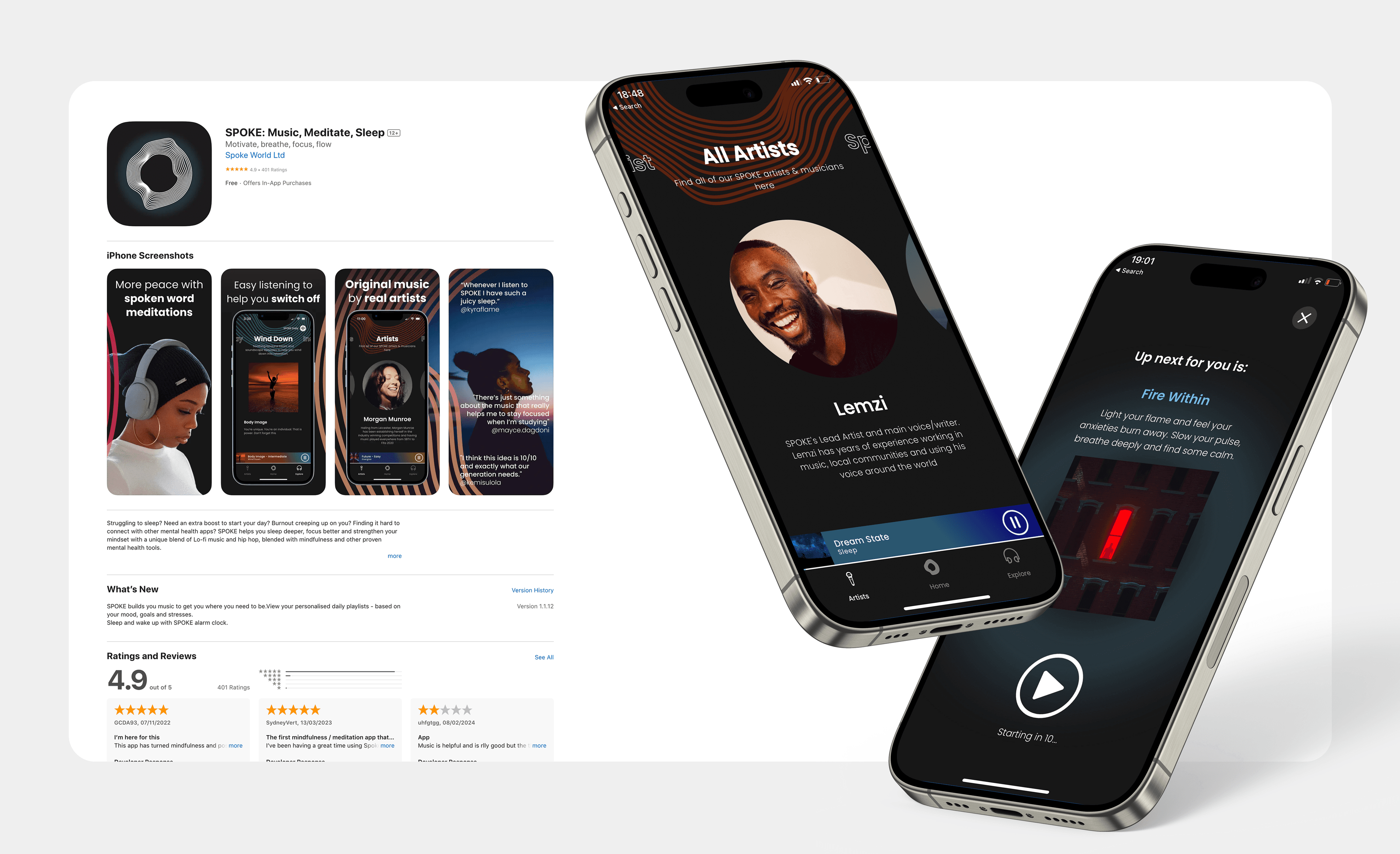
Spoke App
Overview
A meditation app for the new generation. A fresh approach to meditation through lo-fi hip hop and r&b, for those who want to unleash their happiest, most creative self.
My Role
The Challenge
Younger people see meditation as out of touch with their reality and find it hard to engage with traditional apps that don’t meet their emotional needs.


of young people aged 18–24 reported symptoms of a mental disorder, such as depression, anxiety or bipolar disorder
people will experience a mental health problem
of millennials feel stressed or anxious all or most of the time

THE GOALS
How do we connect the younger demographic to meditation?
- Create a product that caters to their emotional needs, even as their emotions change through the day.
- Build an app that makes meditation habitual for our target group.
- Maintain the same design principles as the apps they’re already familiar with.
User Research
Research goals, interviews & key findings
What do Gen Z & Millennials want from a meditation app?
Surveys and interviews to identify needs, preferences and pain points that guide feature development.
What terminology are they familiar with?
Understanding language, cultural references and current trends so messaging resonates and builds trust.
When and where would they use the app?
Identifying daily routines and environments to tailor features to real lifestyles.
70
Participants, mostly men, aged 17-35 (primary audience)
Open
Interview style, built up gradually to less-active-thought concepts
20–45 min
Interview timing
Key Findings
Meditation Barriers
Little understanding of meditation, not enough personalised tools, low attention span.
Personas
University students, Millennials, music lovers, users seeking emotional stability or new ways to relax.
Competitors
Tone of voice shaped response. Calm had a steeper learning curve, Synctuition a clearer linear path.
Personalisation
A big draw. Users want an app that genuinely touches their emotions.
Imagery
Avoid busy images and bright bold colours. They clash with relaxing, dark-room use.
Keep things simple
Prioritise functionality; onboarding must capture user emotion clearly and simply.
90
of users use Spotify for music
50/50
split between music vs. narrative to relax
96
prefer a customised approach to music
User Flow
Presented flow to key engineering team, stakeholders, gather feedback and implement
Design Principles
Personalisation
Tailor meditation sessions to individual emotional needs, preferences and goals. Users feel seen and understood.
Quick Value
Deliver value fast: a brief 10–20 second music/beats intro before entering the app.
Familiarity
Take design cues from YouTube and Spotify, the apps users already know.
The Solution
Mood-based onboarding
Users select how they feel right now before every session. The app responds with a curated playlist and meditation matched to their emotional state, making every session feel personal and timely.
Lo-fi music as the entry point
A 10-20 second ambient music intro plays before the session begins, creating a ritual of transition that feels familiar to the Spotify and YouTube generation.
Familiar interaction patterns
Borrowing UI conventions from music streaming apps — swipeable cards, progress bars, playlist-style layouts — reduces the learning curve and makes the app feel immediately intuitive.
Habit-building through consistency
Streak tracking, gentle reminders, and a 'My Trends' workspace give users the scaffolding to build a sustainable daily practice without overwhelming them.
Solution
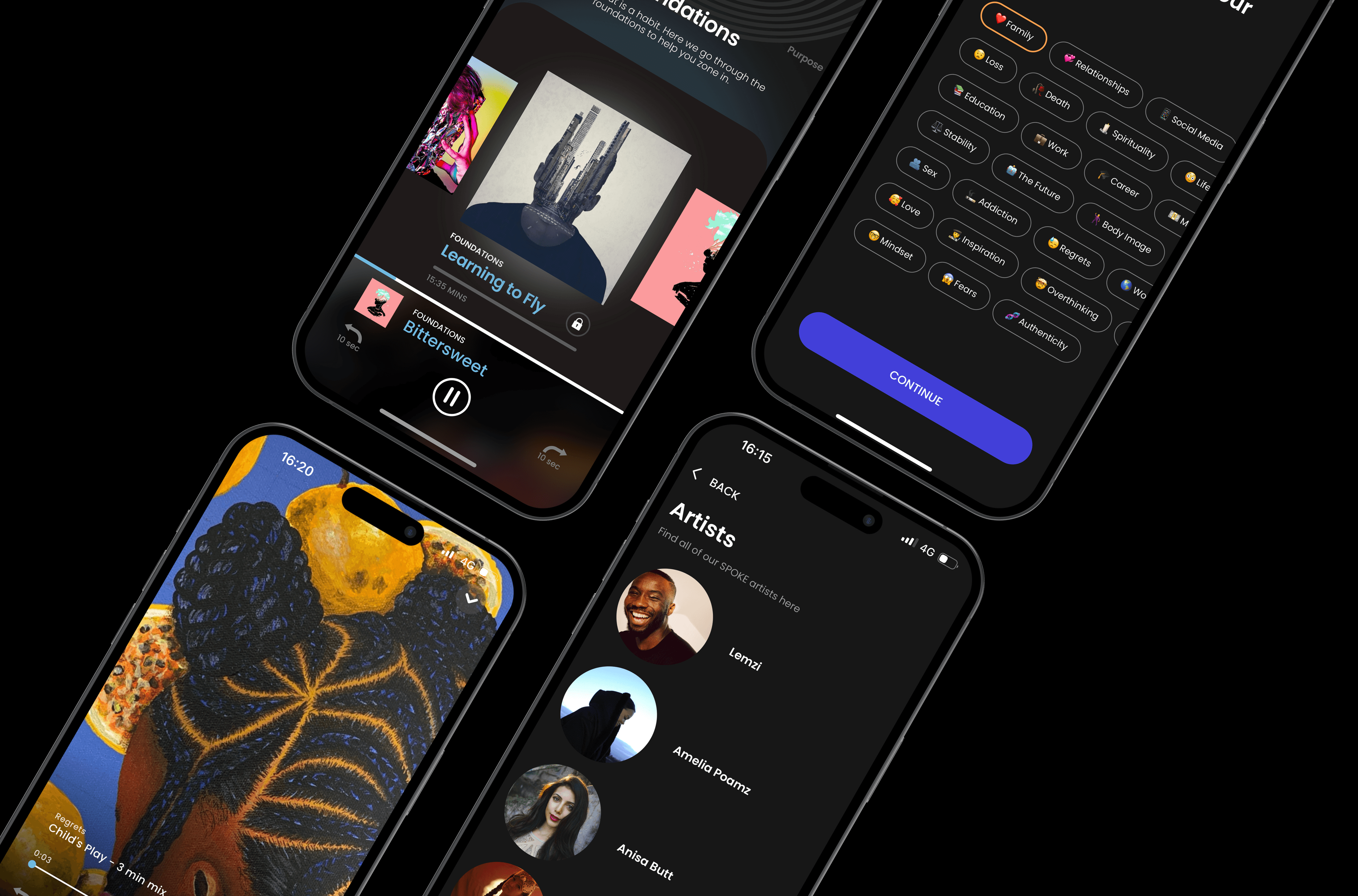
Spoke is designed to help users personalise their meditation experience through music. Users select tracks that resonate with their emotional state, enhancing mindfulness sessions with music they enjoy.
Key Features
- Personalisation
mood tool - Artist deep dive
- Interactive
element - Streak progress
tracker on content - Streak rewards
and achievements - Gamification elements / rewards for unlocking content etc
- Daily meditation
reminders - Discover / Explore -
Community + content - Sleep timer
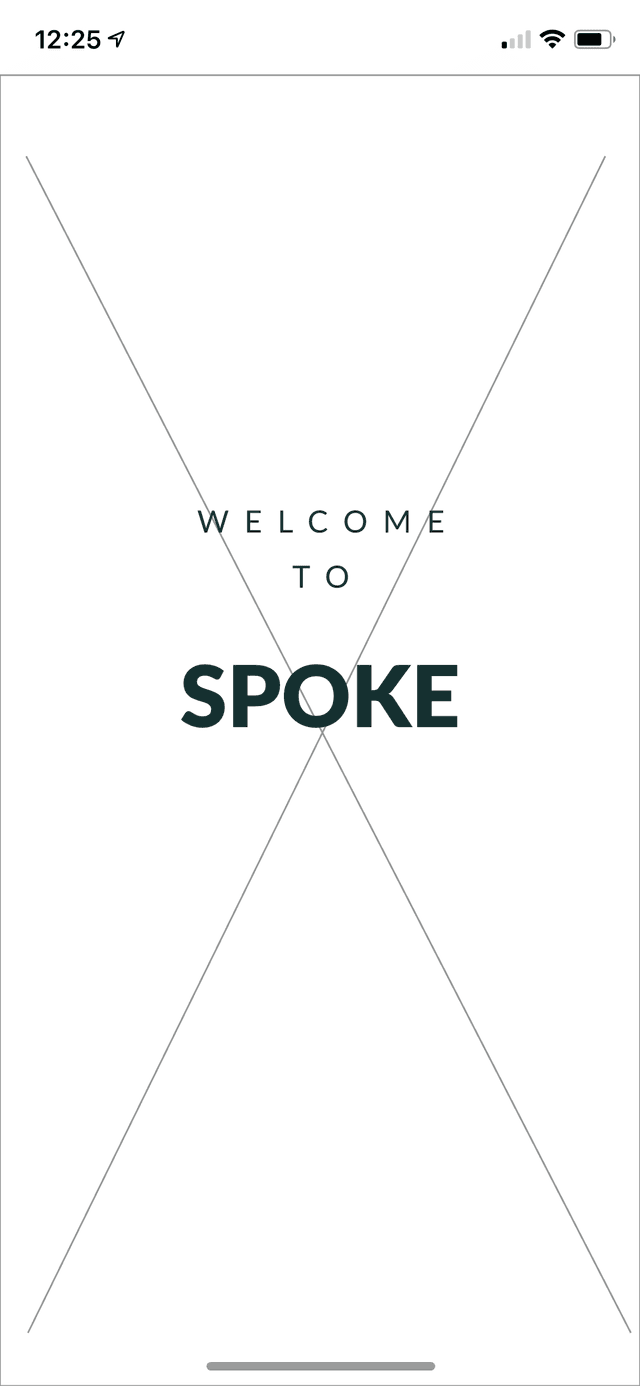
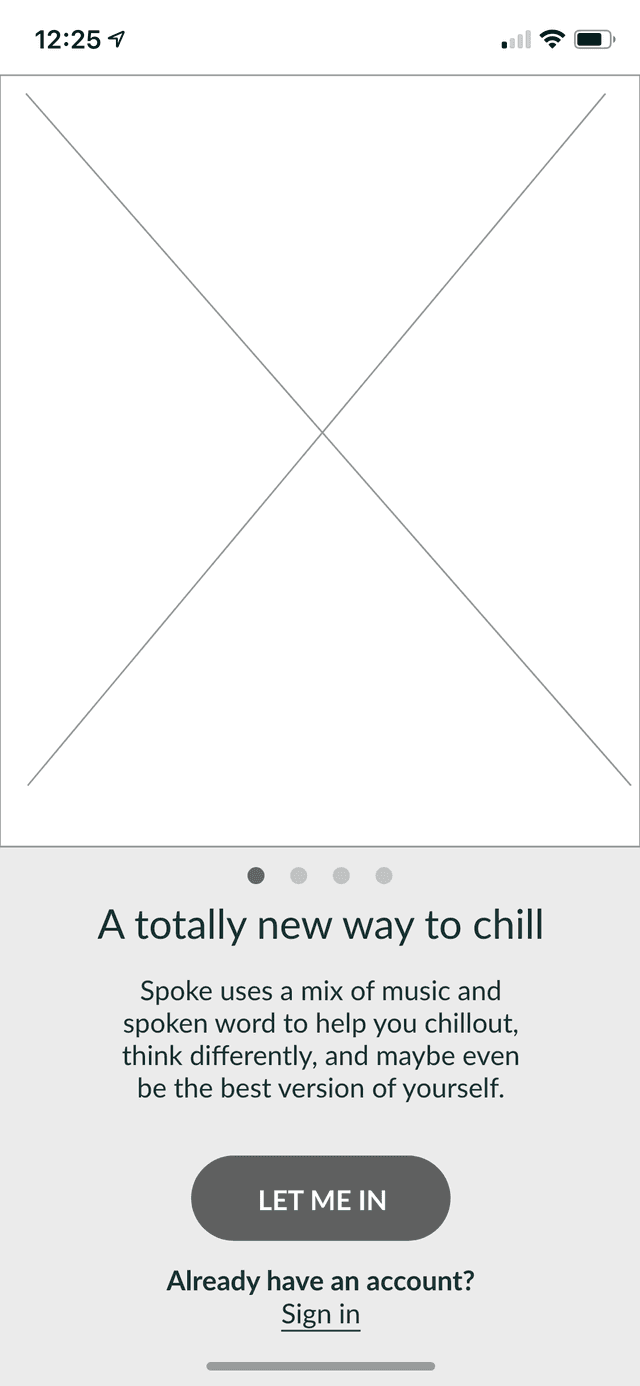
Wireframes
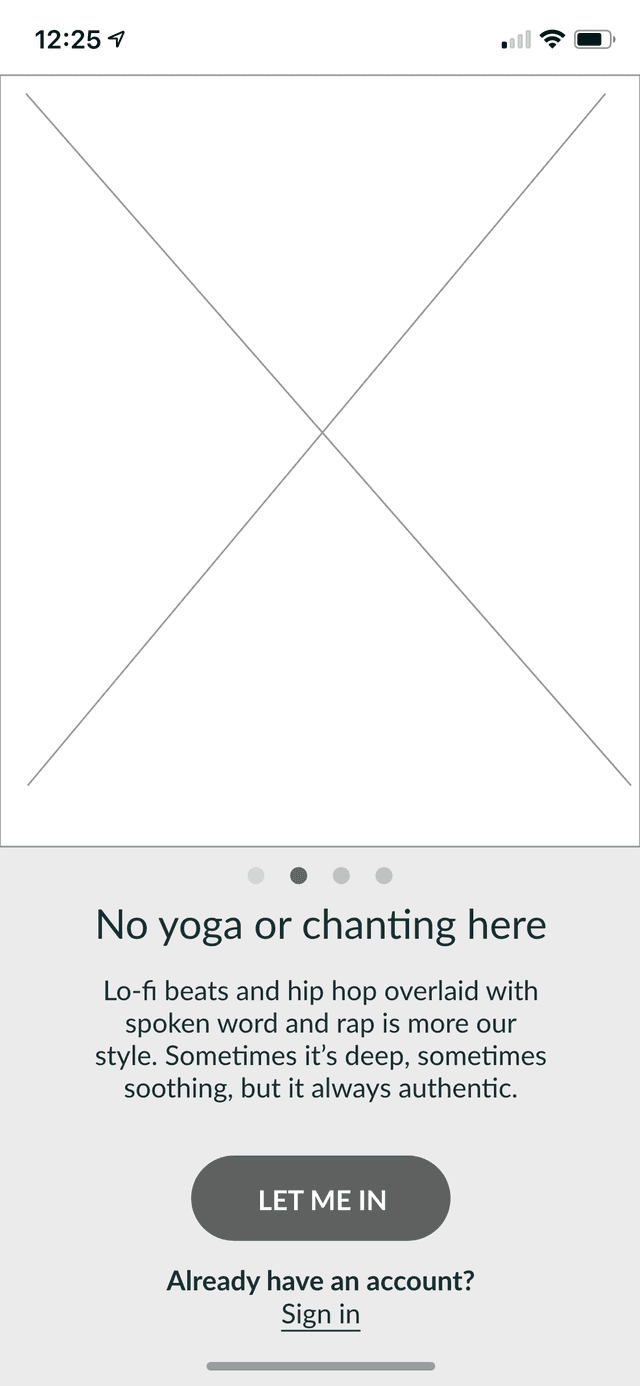
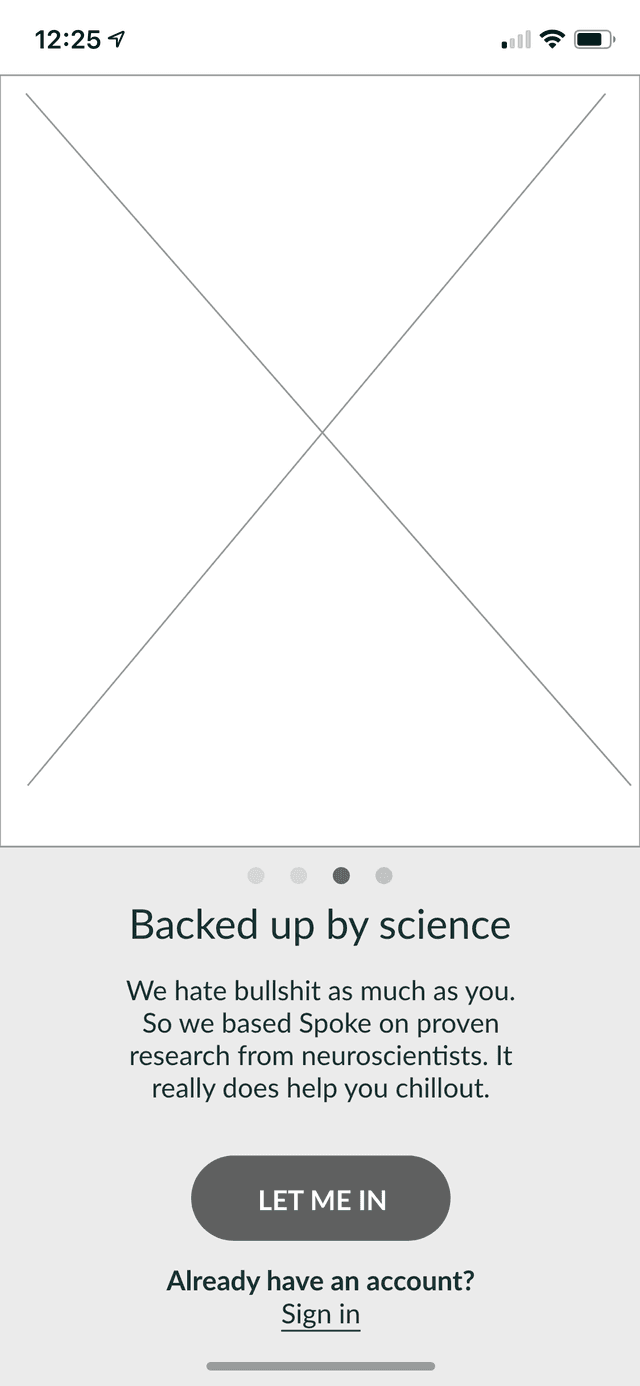
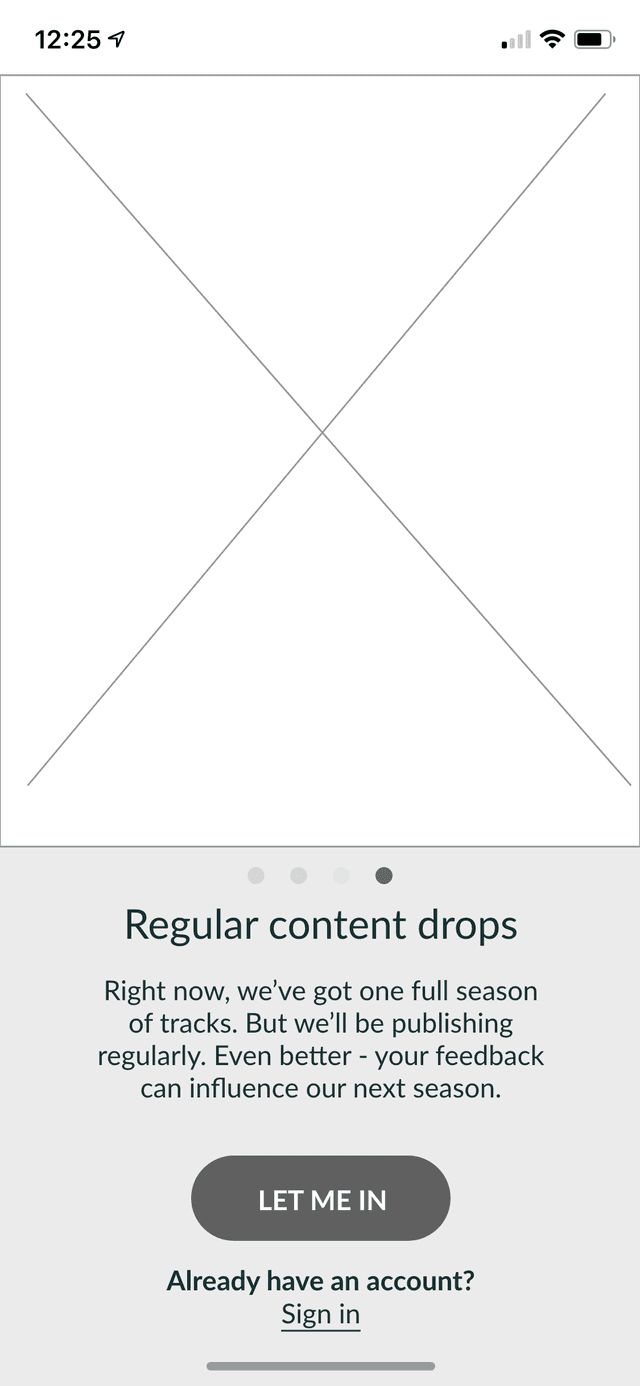
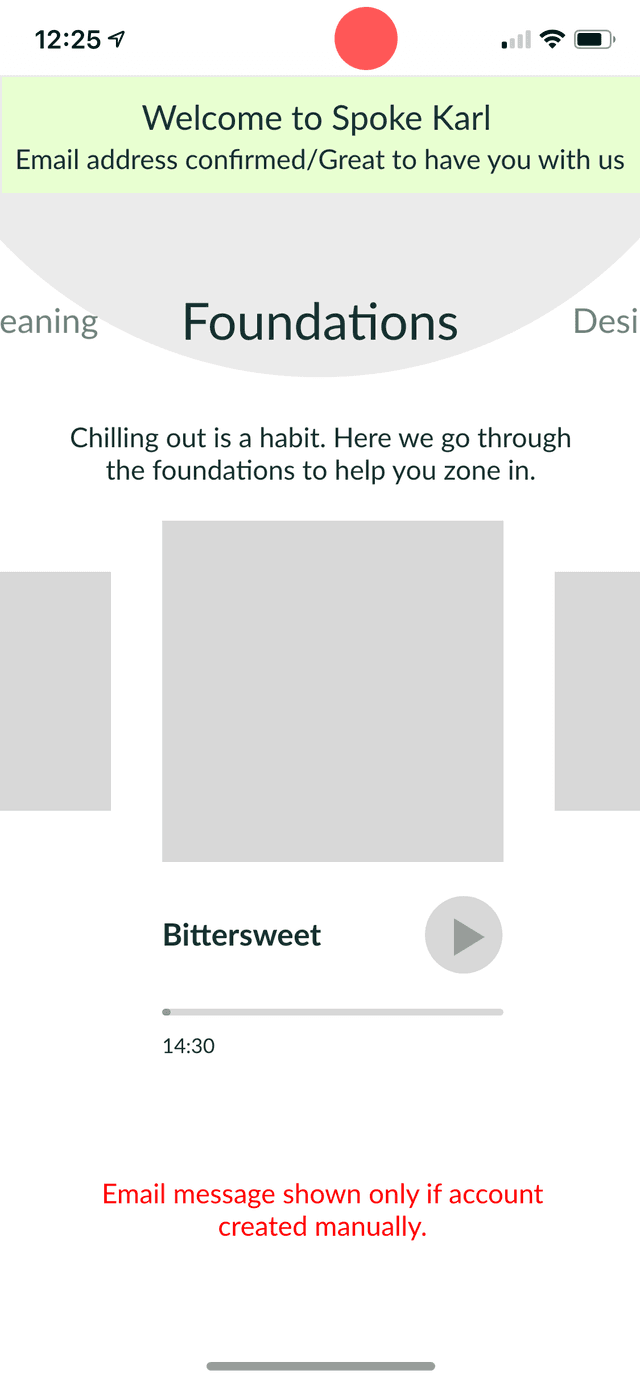
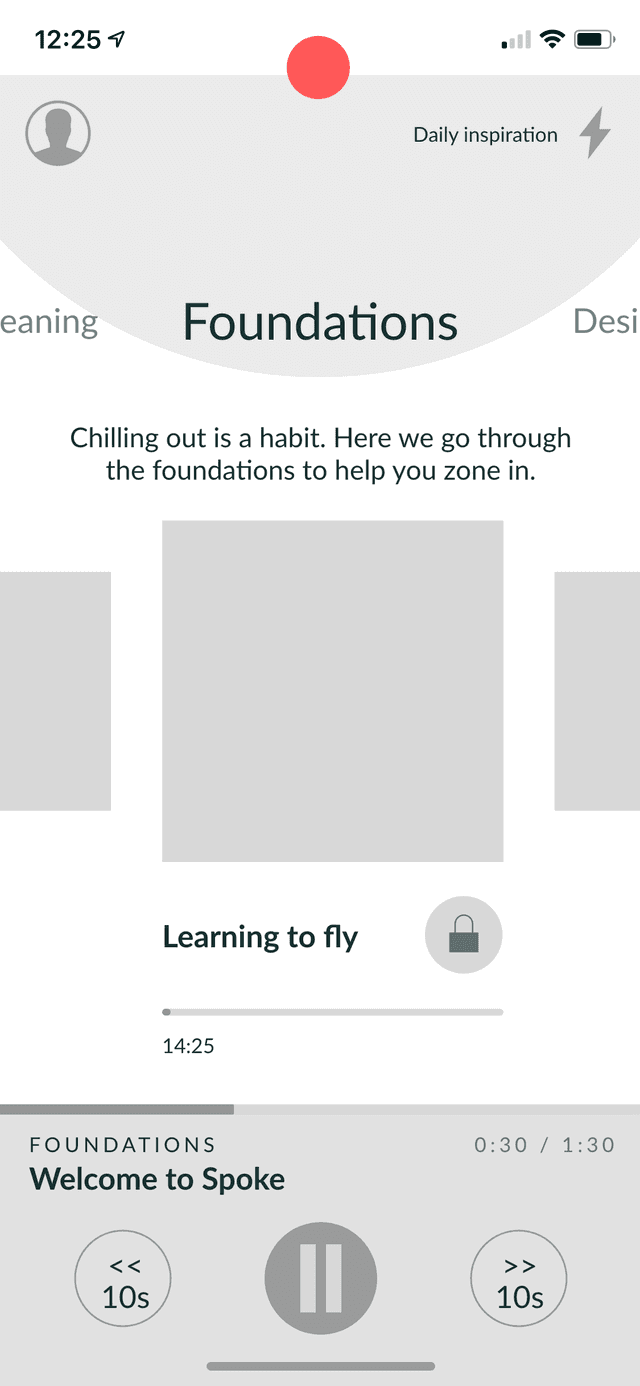
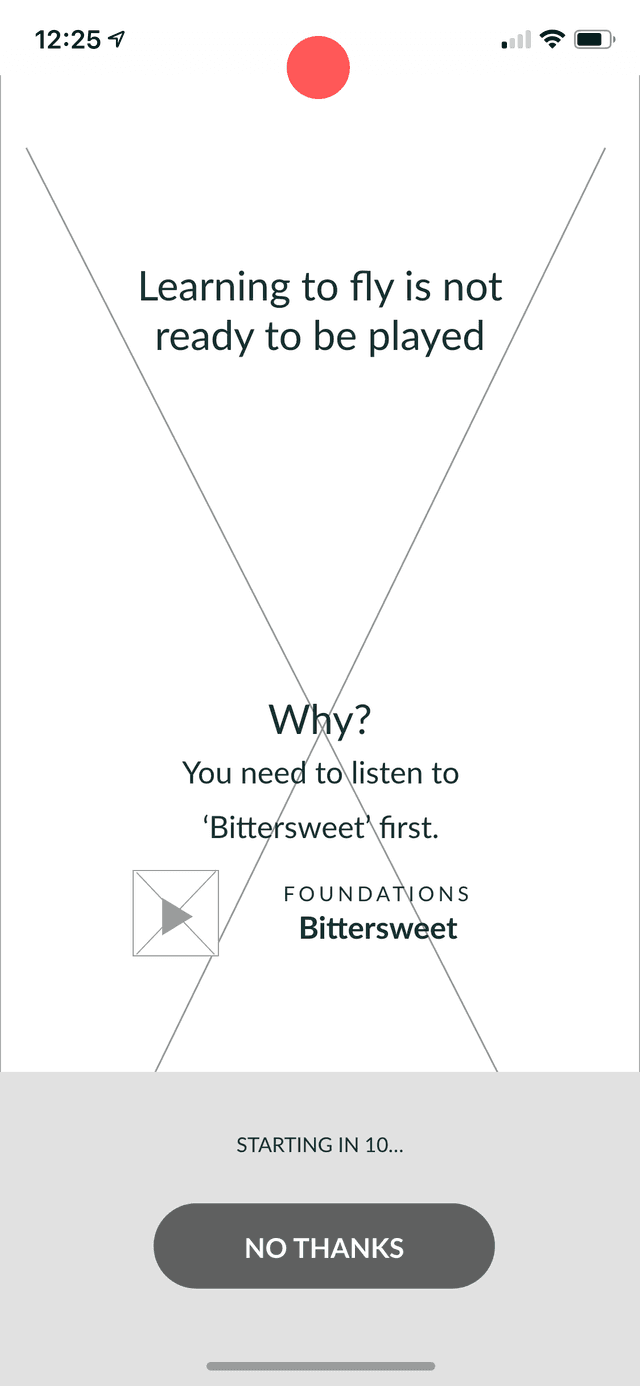
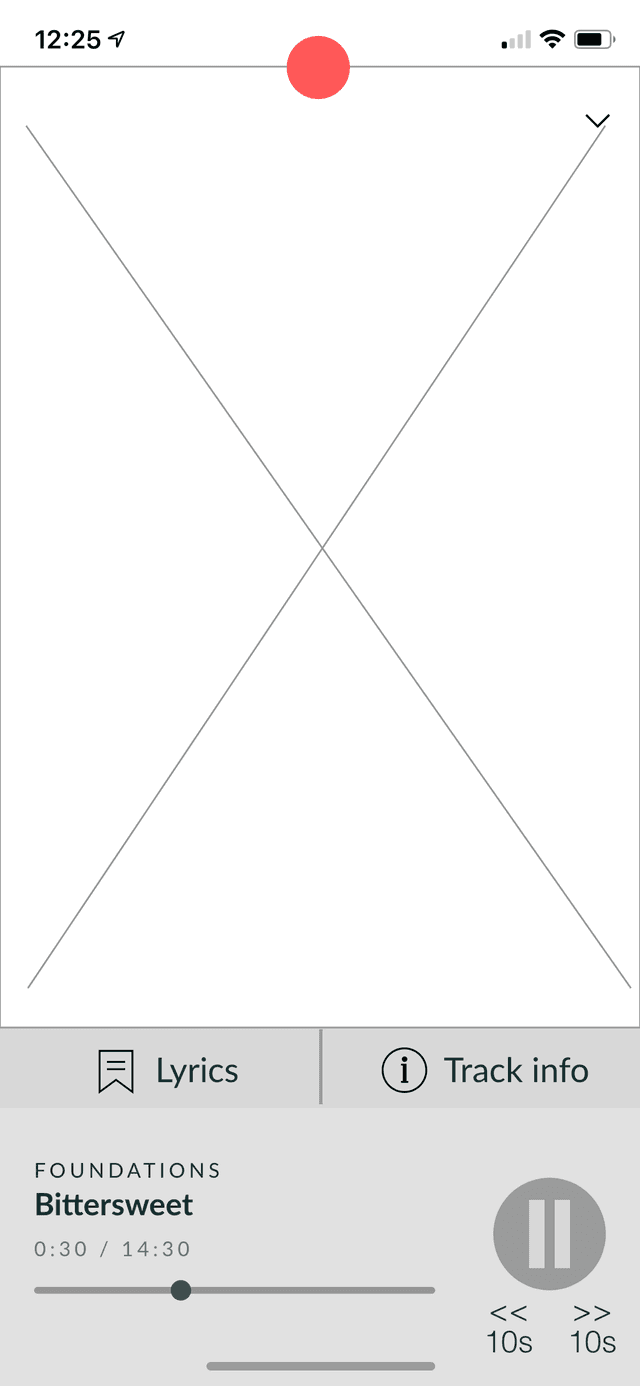
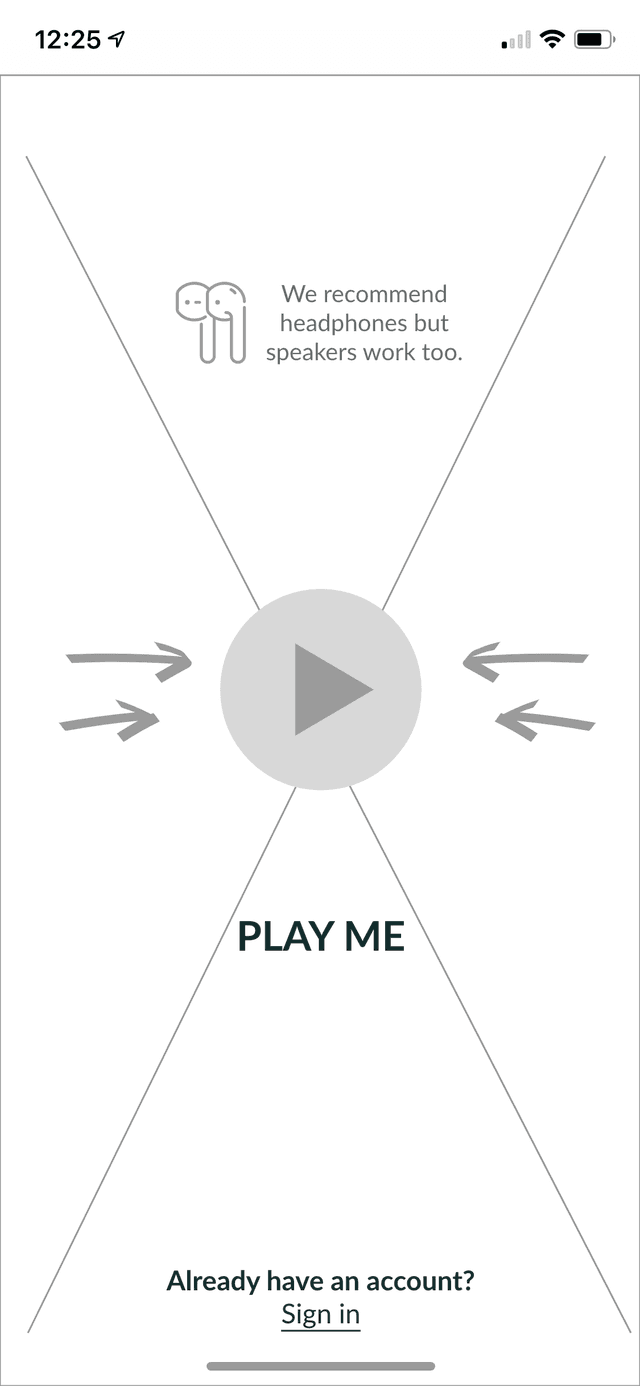
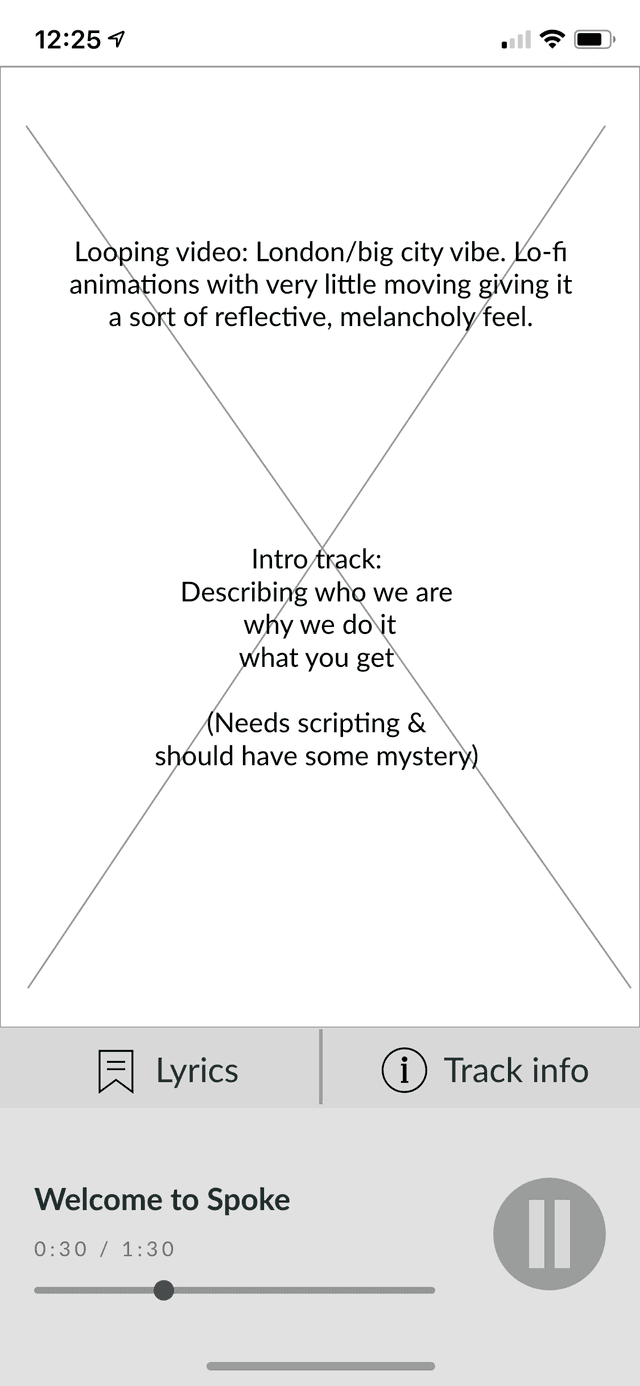
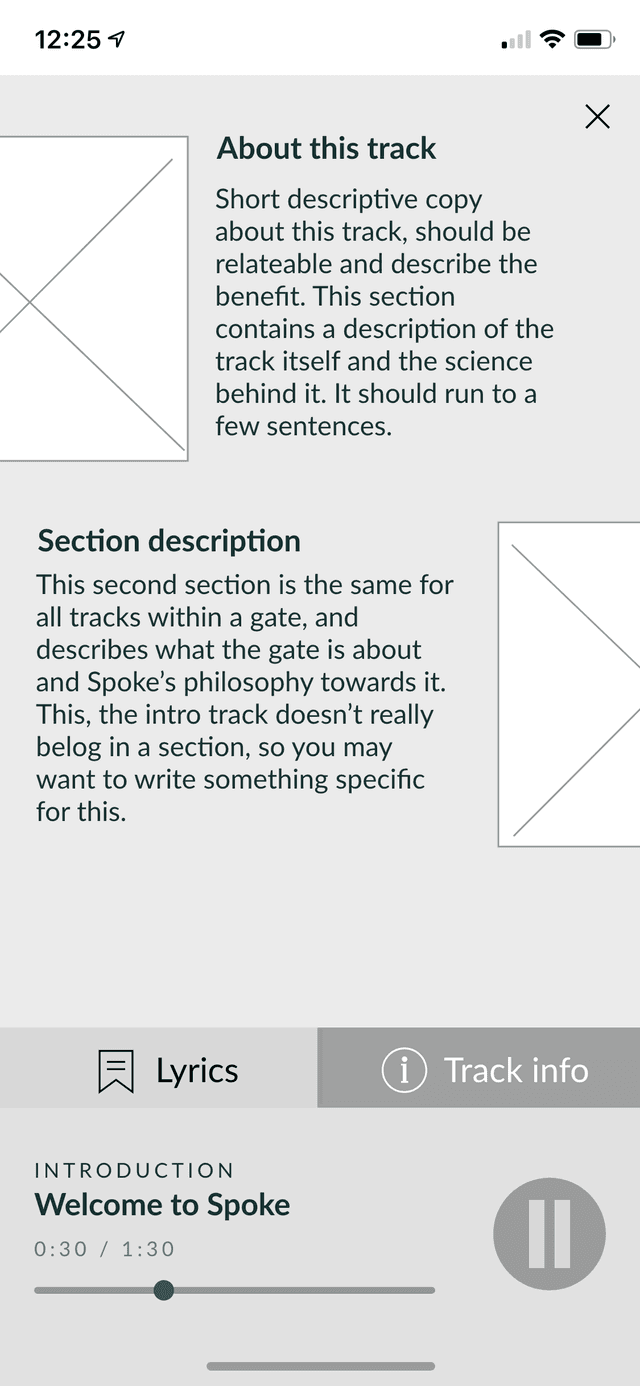
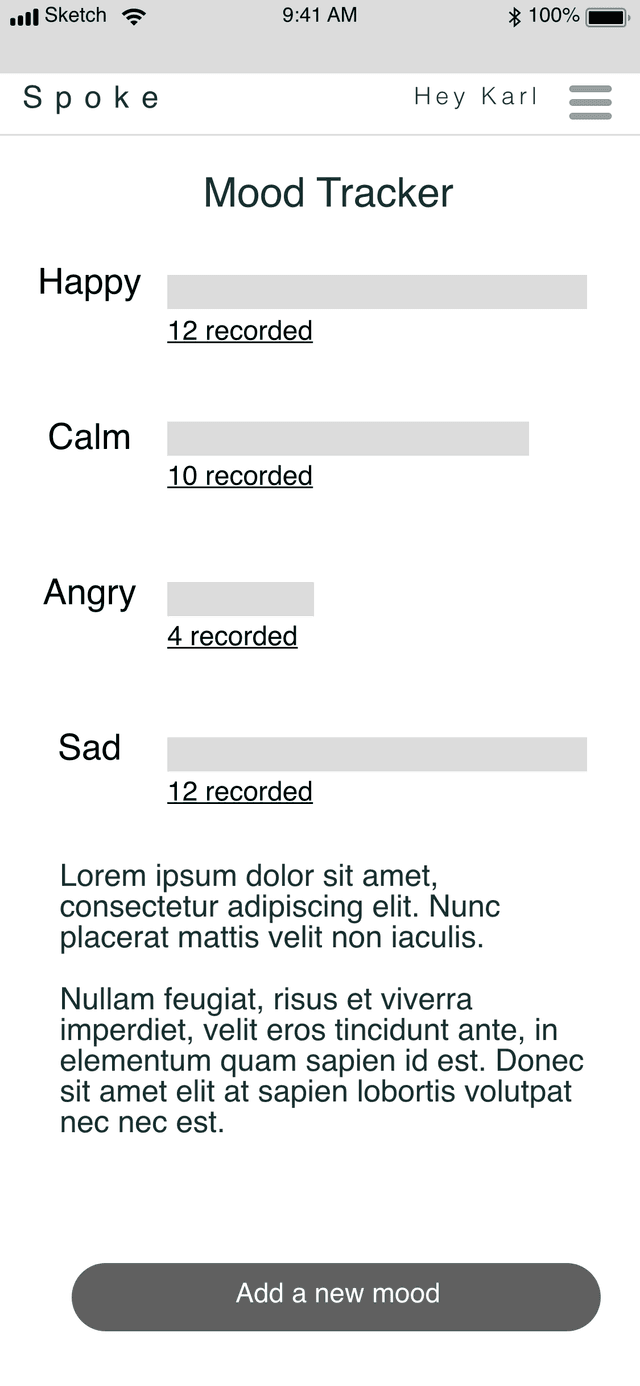
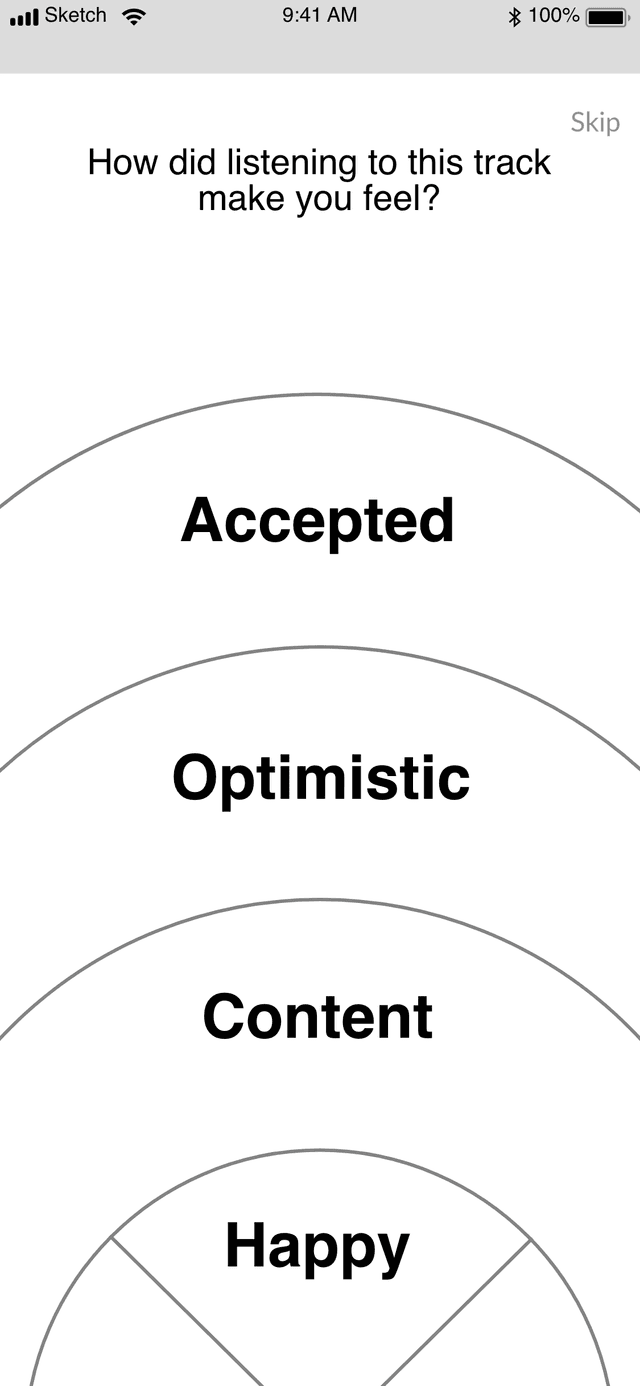
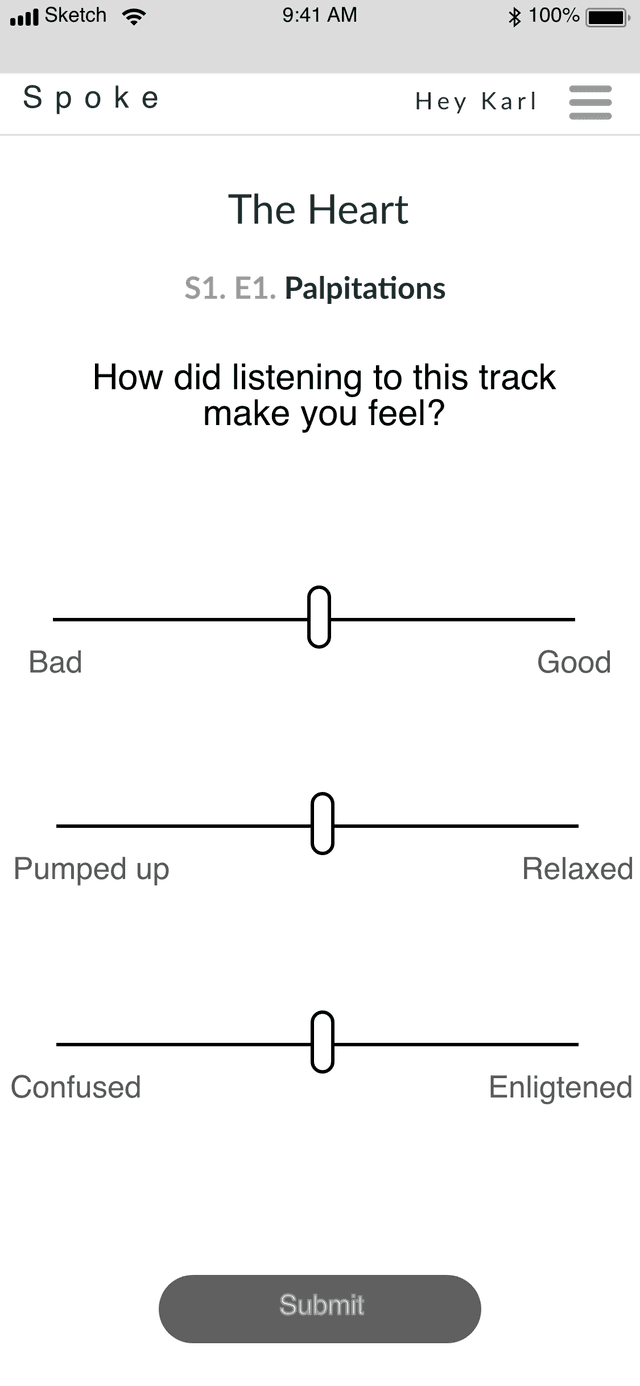
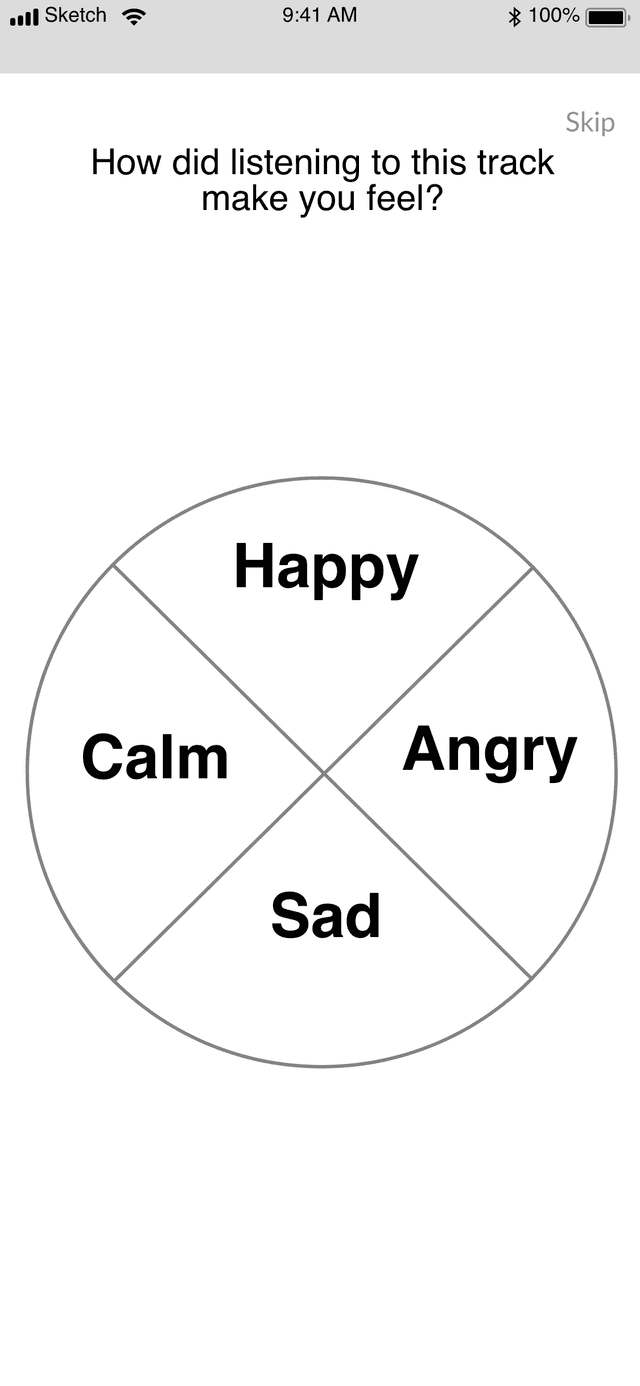
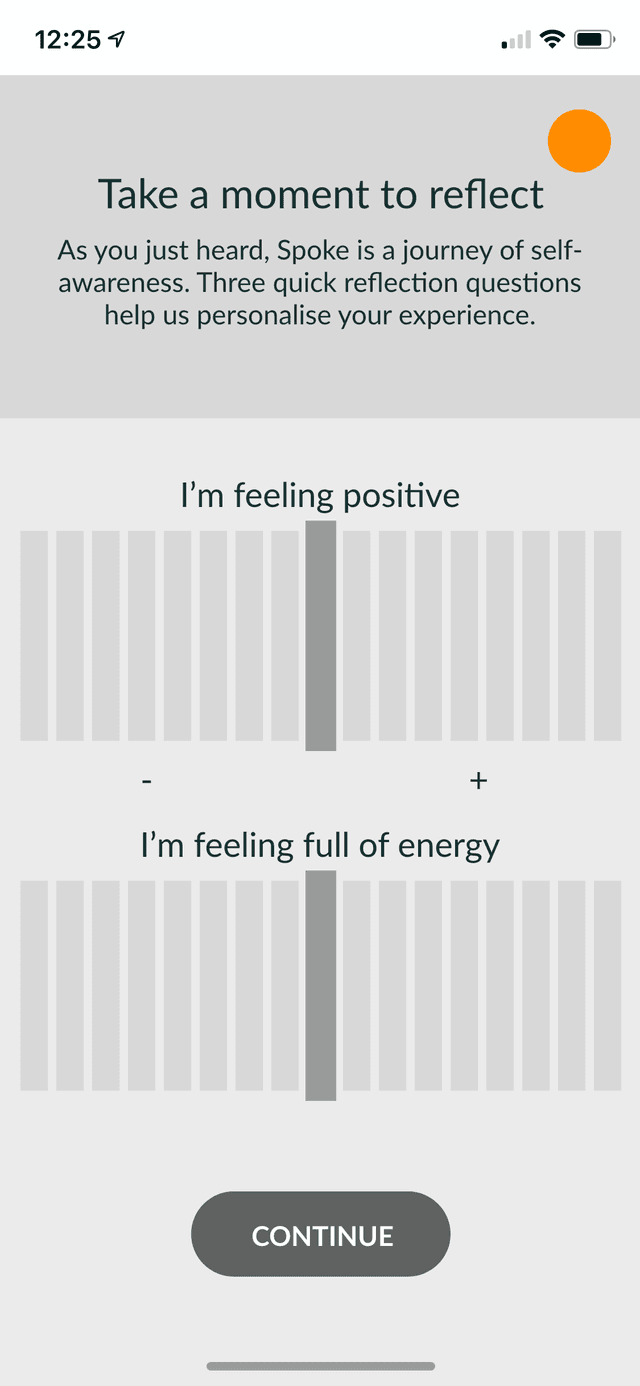
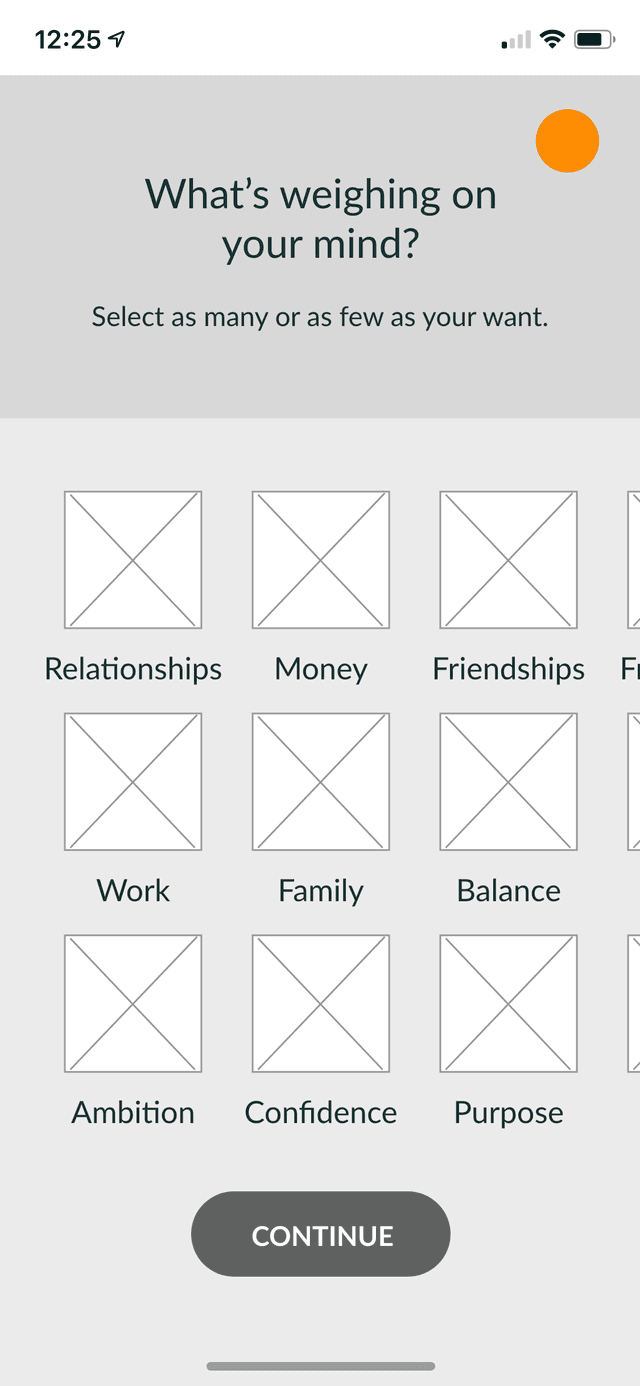
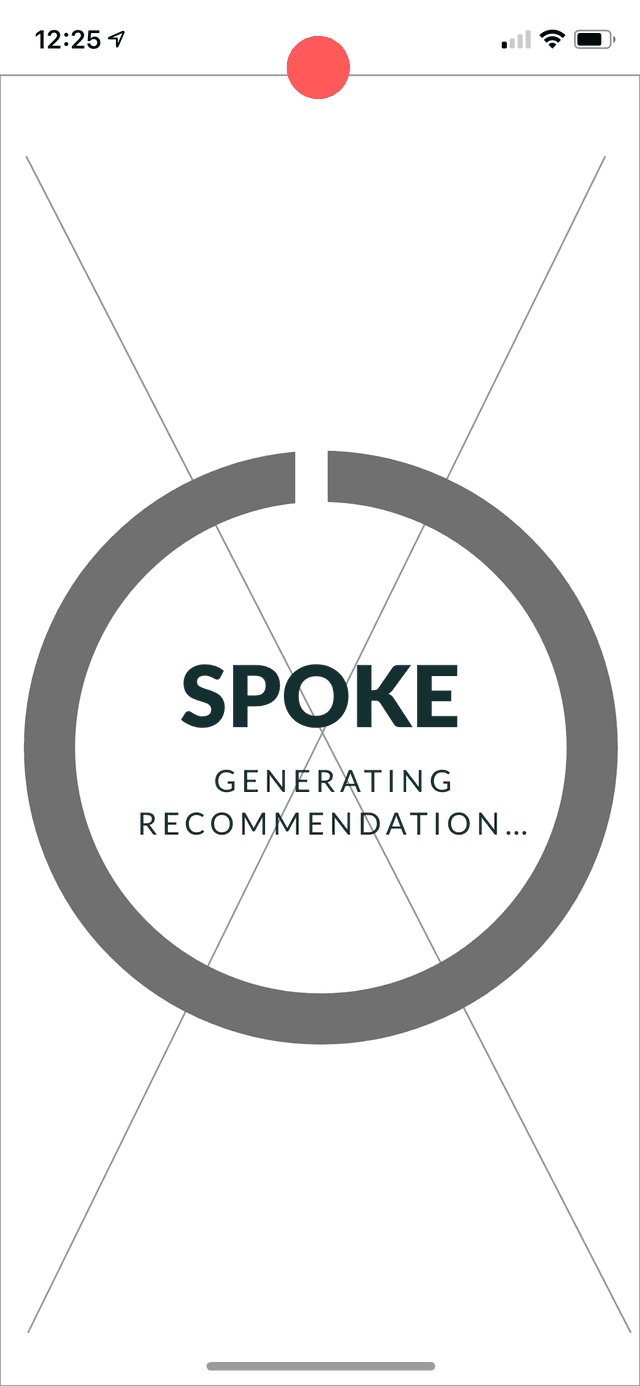
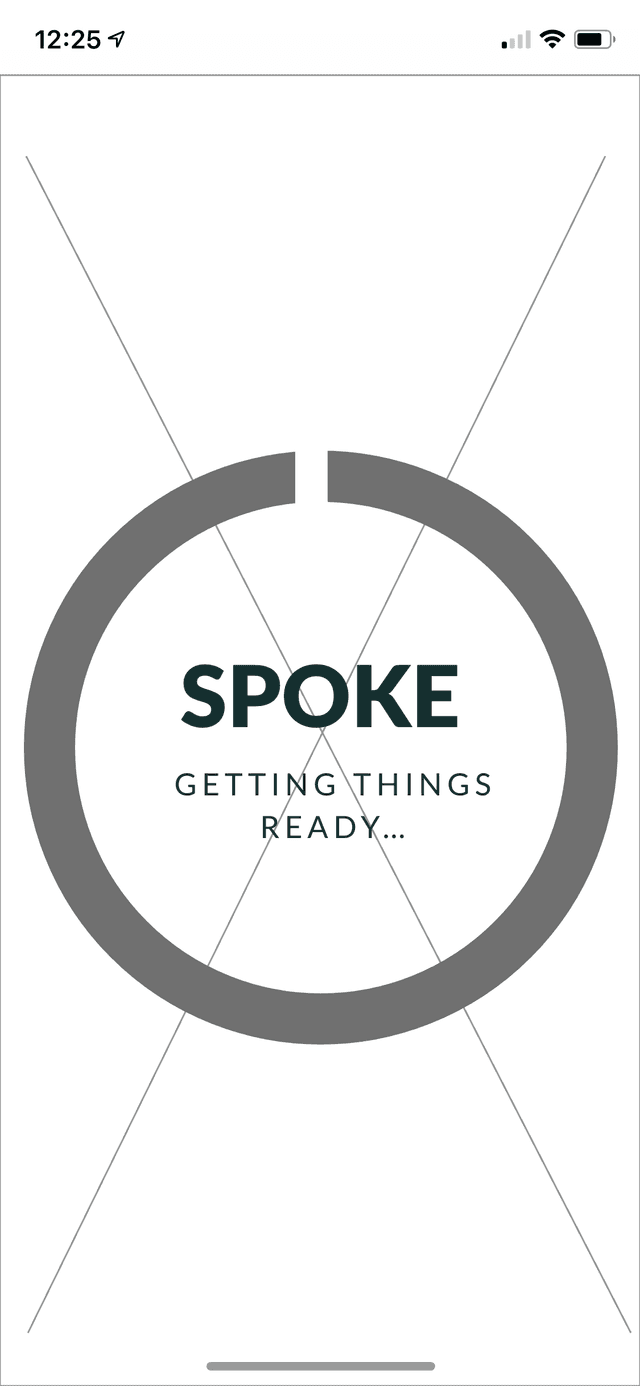
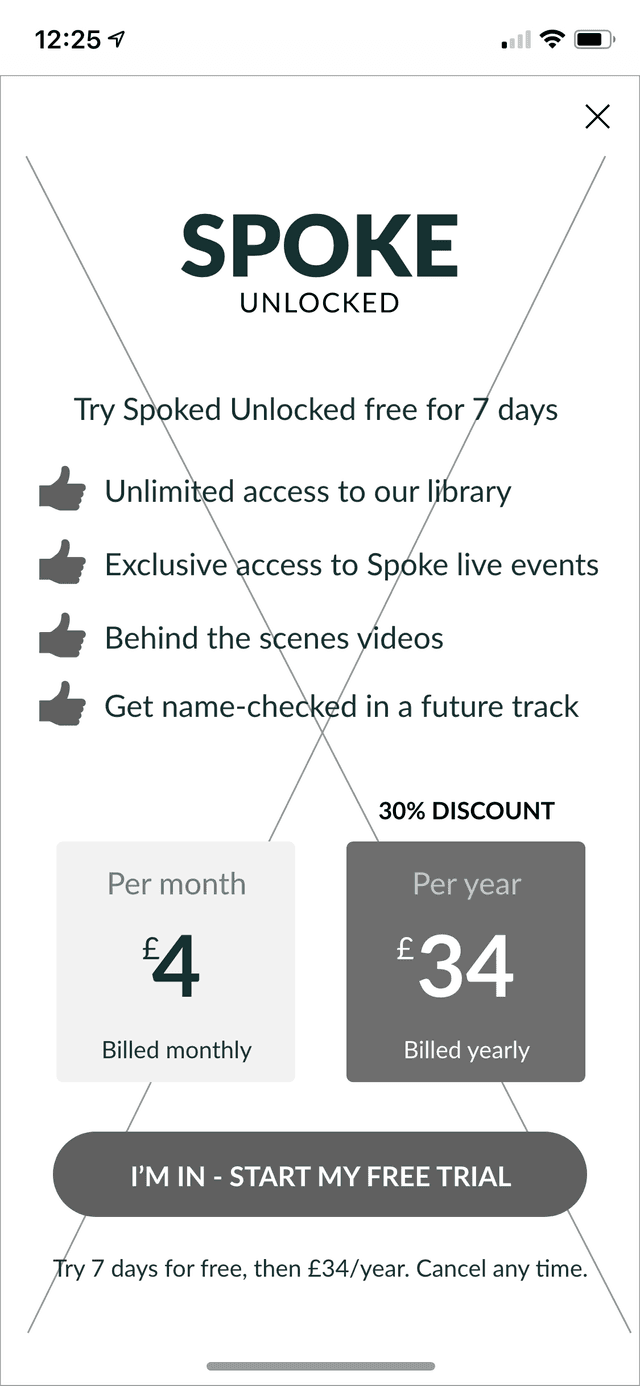
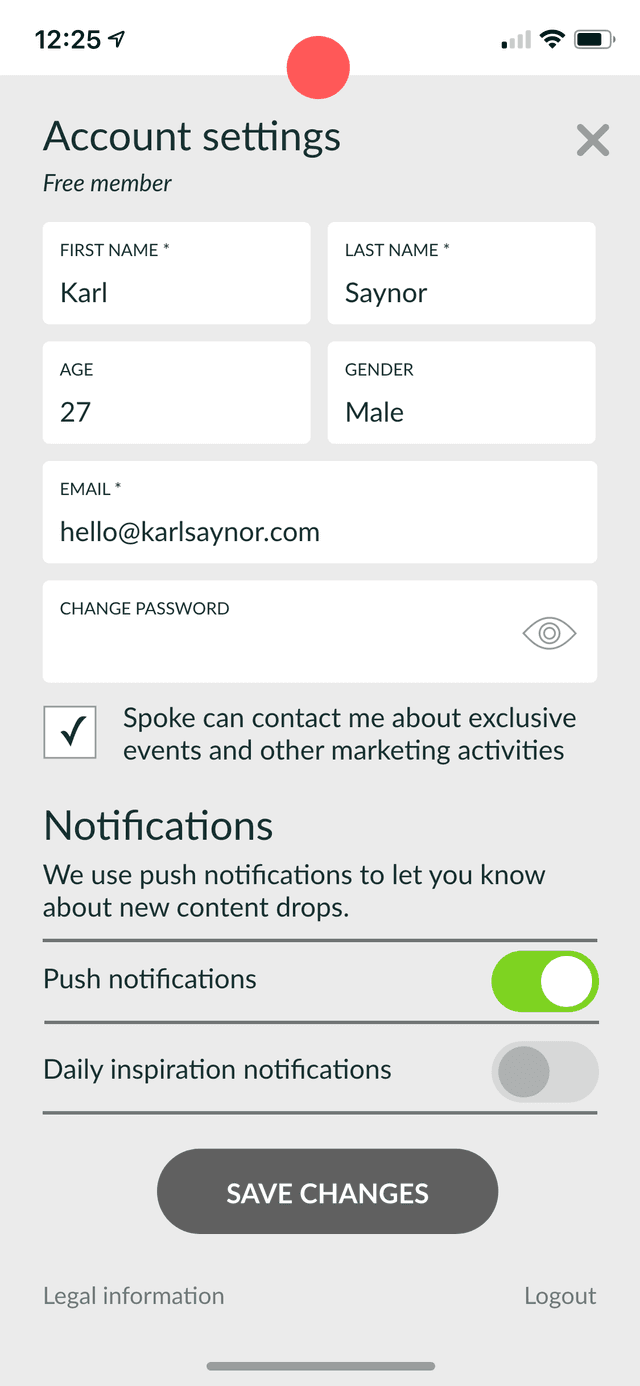
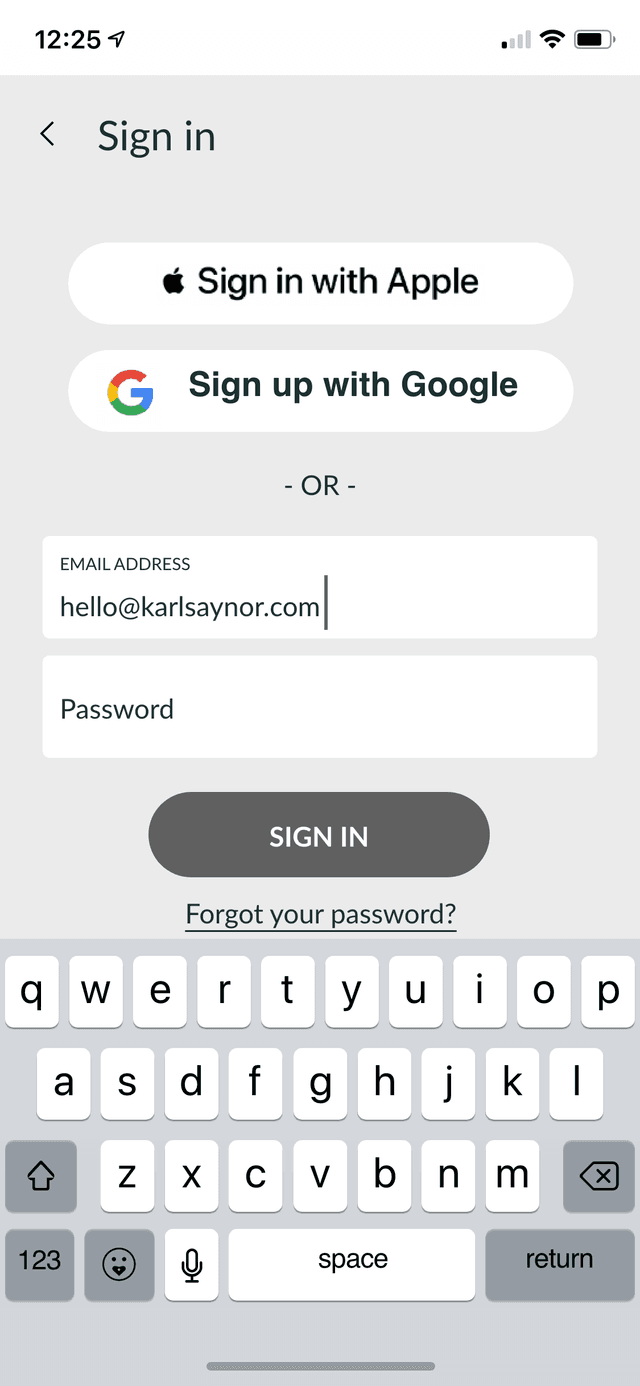
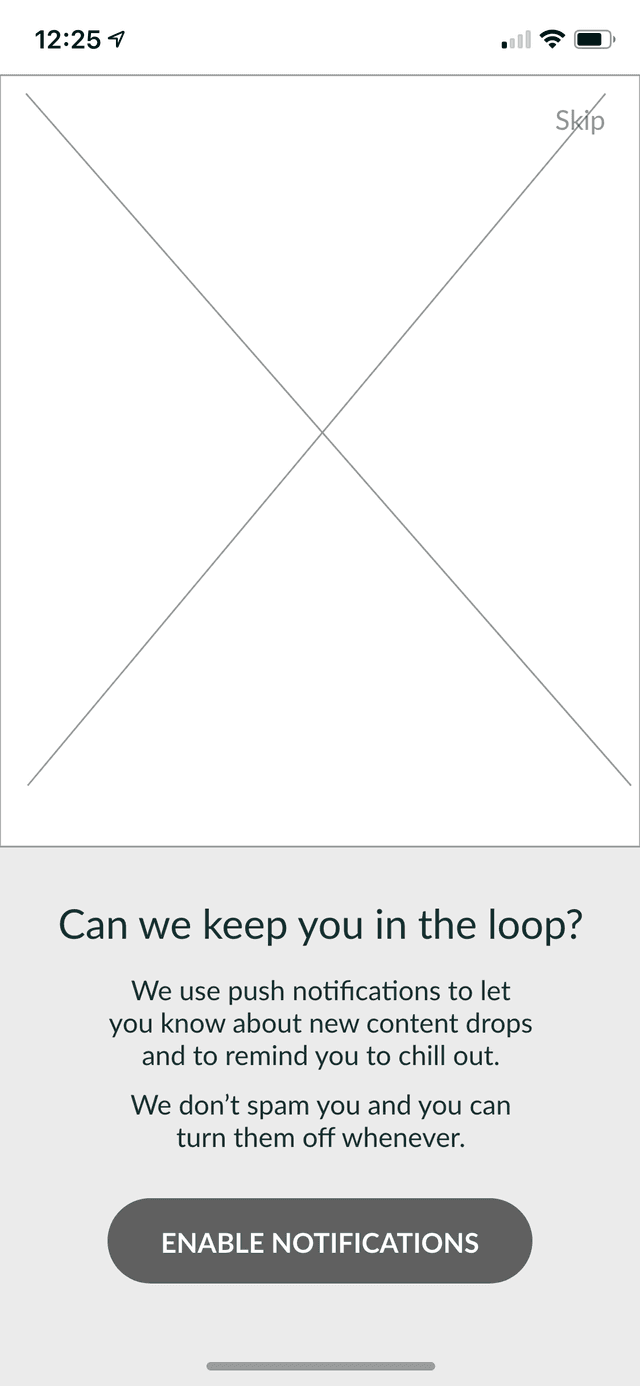
SPOKE UI Screens
Design Exploration
Personalisation Mood Tool
My goal was to explore and design interactive elements that effectively capture users' emotions and experiences. Through thoughtful design exploration, I identified the best methods for users to express how they feel.
Option 1
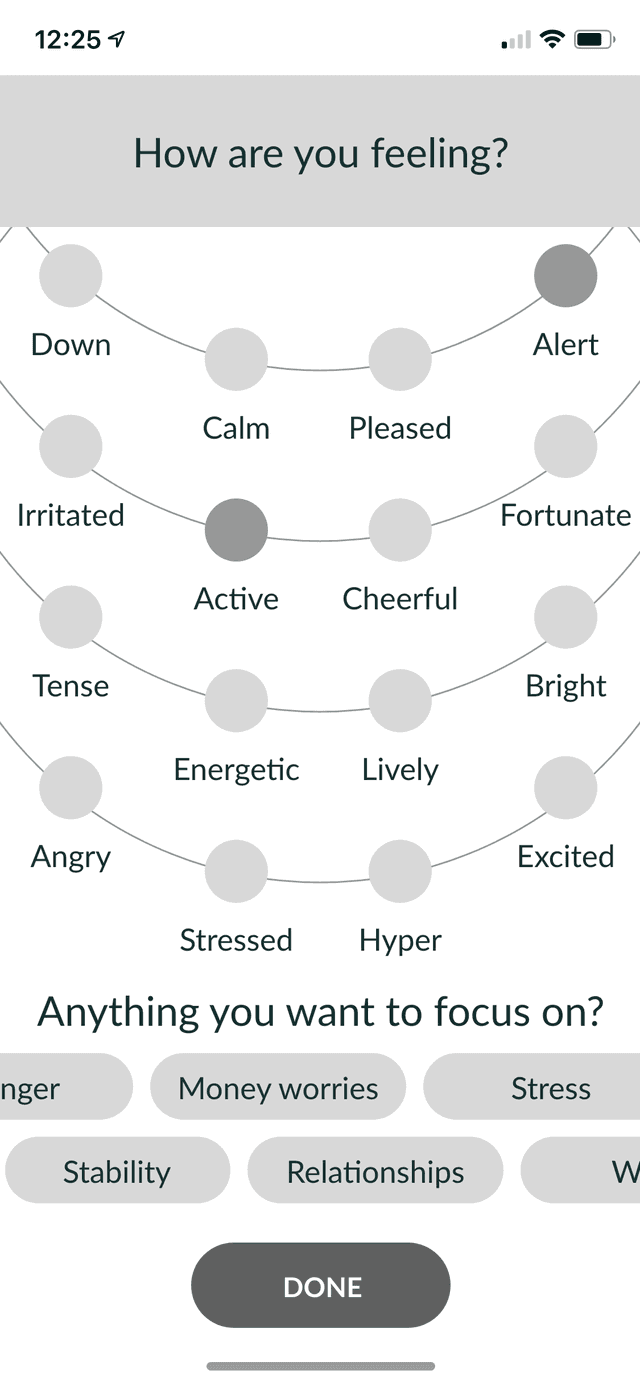
Dot-based emotion selector with focus tags
Option 2
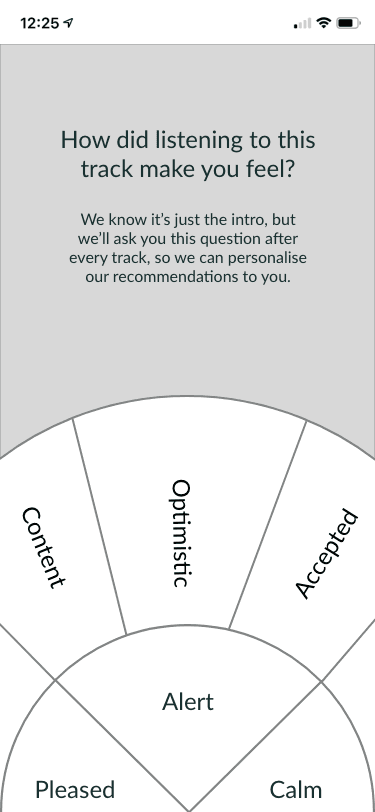
Circular radar chart capturing energy + mood axis
Test findings
After testing with users, we discovered that the current design wasn't comprehensive enough in capturing the full range of their emotions. It lacked the ability to reflect their varying energy levels, which are a key factor in their emotional state.
To improve this, we needed a design that not only accounts for emotions but also integrates energy levels, offering a more accurate and holistic experience.
Final design after testing
We implemented a four-quadrant mood framework to categorise users' emotions based on mood and desired outcomes.
Colour plays a key role in enhancing interactivity within this system. This approach allows us to deliver a more personalised experience, tailoring interactions to the user's emotional state.
Outcomes and Impact

Apple App Store app of the day x2

Won the SXSW Innovation Awards 2024 for Audio Experience
User interviews uncovered lots of user behaviour that steered Spoke in the right direction
First raise of Seed £2m in funding after launching on app store